11 March 2026
A new experimental treatment has combined imaging with radiation therapy, and if successful could unlock more pathways to non-invasive cancer treatment.
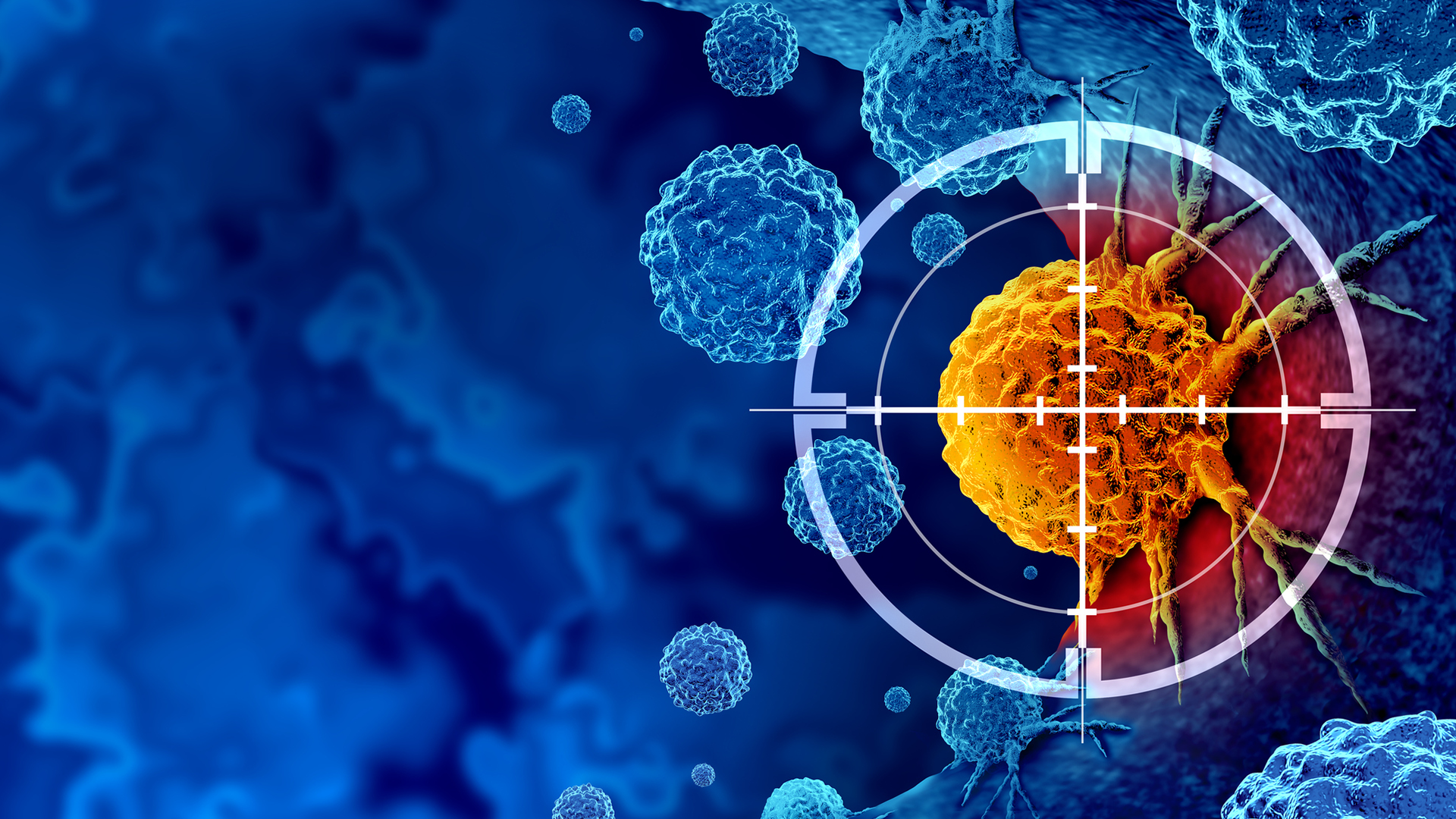
'Radiotheranostics' - part of emerging theranostic therapy - is an experimental treatment that combines imaging and nuclear medicine, through an engineered antibody - that incorporates a radioactive isotope - to exploit the LRRC15 protein, which is known to catalyse tumour growth and resistance.
Currently in a phase 1 trial at the University of California, Los Angeles (UCLA), evaluating it's effectiveness against Osteosarcoma - an aggressive bone cancer - the trial runs parallel to a multi-centre theranostics trial at the Hollywood Medical Centre's Icon Cancer Centre in Western Australia.
Radiotheranostics uses engineered monoclonal antibody DUNP19, that acts as a trojan horse to identify and bind to LRRC15 proteins. The addition of radioactive isotopes, then allows clinicians to guide and monitor the radioactive tracer as it bypasses the protective surface of stromal cells to weaken or outright destroy tumours.
Medical Pharmacology Director of UCLA, Dr. Hans David Ulmert described the two-fold advantages of the incorporated isotope, for its combined use in imaging and medicine.
"Pairing the antibody with radiation creates a powerful 'radiotheranostic' approach, where the same targeted antibody, DUNP19, can be loaded with different radioactive particles for both diagnostic and therapeutic purposes." Dr. Ulmert said.
"Using the same molecule for imaging and treatment allows us to be extremely precise. We can see exactly where the drug goes, confirm it's hitting the tumour and then deliver radiation in a way that minimises damage to healthy organs."
Now undergoing testing in a first-in-human trial, participants with metastatic osteosarcoma first undergo diagnostic testing to confirm the presence of the LRRC15 protein, before administering the targeted treatment through the DUNP19 antibody.
According to UCLA Health, the trial builds on several years of preclinical research across cellular and mouse models of various aggressive cancers. The radionuclide therapy is said to have shown effectiveness in not only slowing tumour growth, but also in dismantling their immunity towards natural killer cells like CD8+ T cells.
Pending the success of UCLA and Icon Cancer Centre's trials, theranostic therapy could become a more accessible pathway treatment for more Australians with previously untreatable tumours.






© ASMIRT 2026 | ALL RIGHTS RESERVED | PRIVACY | TERMS | SITEMAP