24 February 2026
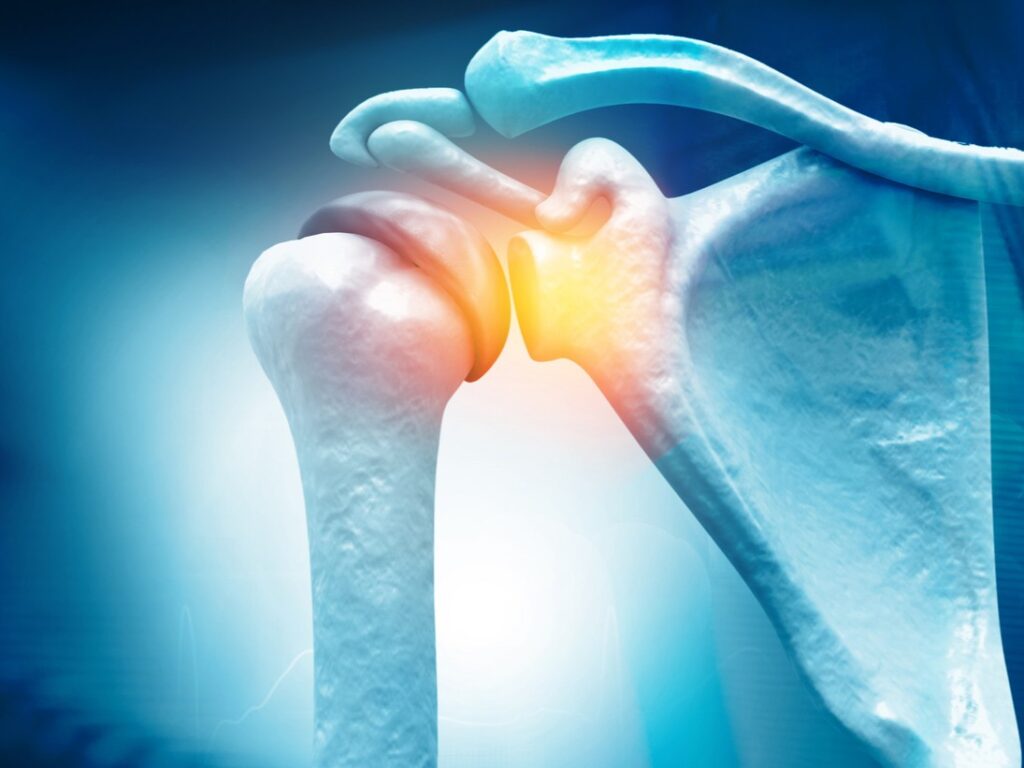
A recent study in Finland has revealed a high prevalence of Rotator Cuff (RC) abnormalities among patients over the age of 40, which in asymptomatic patients can lead to unnecessary interventions including ongoing diagnostic imaging.
The FIMAGE (Finnish Imaging of Shoulder) study assessed over 600 patients between 41 and 76 years of age finding at least one RC abnormality present in up to 99% of MRI patients, regardless of symptomatic status - calling into question the correlation between findings such as Partial-Thickness Tears (PTT) and Full-Thickness-Tears (FTT) with the presence of patient symptoms.
Author Dr. Thomas Ibounig from the Department of Orthopaedics and Traumatology at Helsinki University Hospital, attributed an overuse of suggestive, implicit language from physicians as a contributing factor in unnecessary interventions, which at times includes ongoing scans.
"RC abnormalities were detected in nearly all shoulders of participants older than age 40 years, challenging the use of traditional terms such as tear" Dr Ibounig explained.
"While we refer to these findings as abnormalities, many likely represent normal age-related changes rather than clinically relevant structural changes."
"At a health-system level, clearer language could reduce overdiagnosis and overtreatment, conserving resources for higher value care."
As published by JAMA Internal Medicine, the increasingly common management of PTT and FTT are adding to existing strain on healthcare systems, despite a poor concordance with symptoms.
Dr Ibounig concludes by suggesting physicians consider the patient's age and reframe terminology that minimises implications that "something is broken" when interpreting imaging results.
"Reframing many of these findings as normal age-related changes rather than disease may help guide more appropriate care and reduce unnecessary interventions."
"Such terminology may reduce patient anxiety, discourage unnecessary surgical interventions, and help minimise overdiagnosis and overtreatment."






© ASMIRT 2026 | ALL RIGHTS RESERVED | PRIVACY | TERMS | SITEMAP