24 July 2026
From July 1st 2027, Medical Radiation Science (MRS) Students will be eligible for vital financial support, following an announcement by the Prime Minister of Australia.
The expansion of the Commonwealth Practice Payment Scheme (CPP) will provide eligible students with means tested periodic payments, currently set at $338.60 per week - to assist students during their lengthy un-paid placement period.
Among allied health professions, MRS students are required to complete up to 2,100 hours (52 weeks) of unpaid practical placement which amounts to more hours than Nursing, Audiology, Paramedicine and Psychology combined.
The announcement follows over 18 months of extensive community campaigning and a powerful petition presented and tabled to Parliament by cross-bench Parliamentarians Senator David Pocock, Dr Helen Haines MP, Dr Monique Ryan MP, and others.
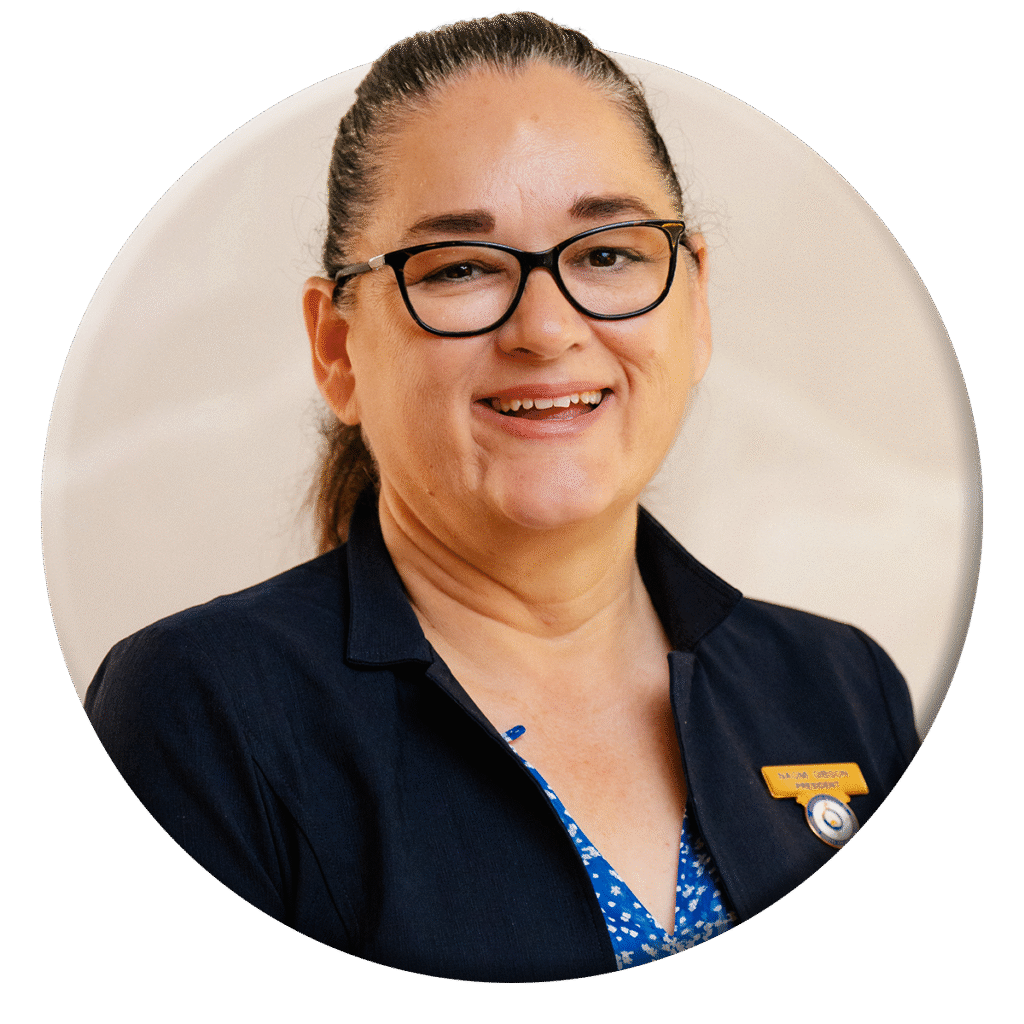
President of ASMIRT, Naomi Gibson was delighted that MRS Students will be getting the financial support that many have so desperately needed.
“For over 18 months, ASMIRT has been working on this advocacy effort with our community, and we are grateful to the Australian Government for extending the CPP to our students whose professions are vital to the health care system.” Said President Gibson.
“We would like to thank independent Parliamentary members Dr Helen Haines MP, Senator David Pocock, Dr Monique Ryan MP, Sophie Scamps MP, and Allegra Spender for their unwavering support.
I would also like to thank our members and students who have actively campaigned on this critical issue.”
As part of its advocacy, ASMIRT launched a nationwide street poster campaign to educate the general public on student placement poverty, with detailed statistics from a comprehensive survey of MRS students, which revealed:
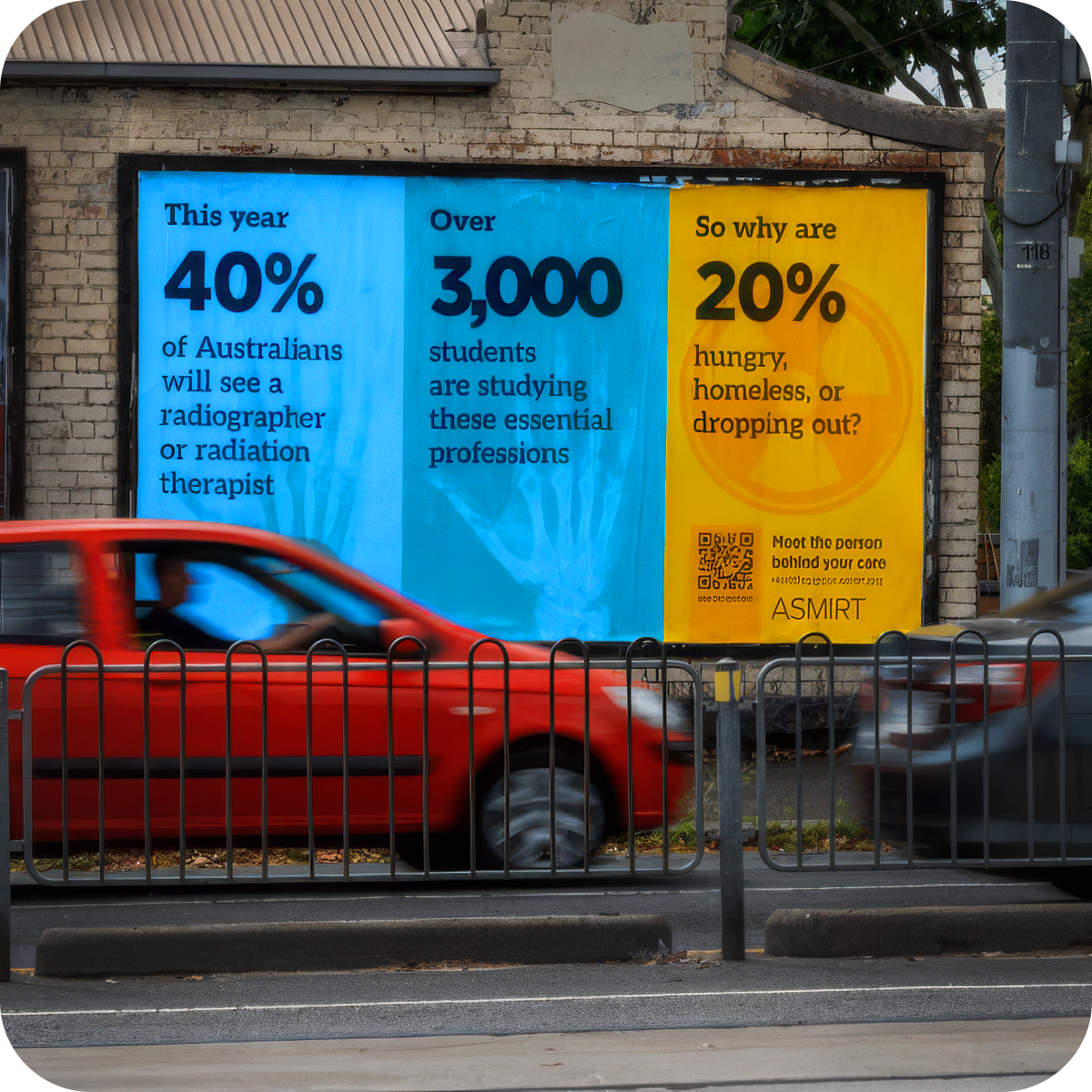
In the same survey, an overwhelming majority of 94.7% of students said they were not confident they could manage full-time placement while working additional jobs to supplement existing cost of living pressures.
Among financial pressures,
Notably, students described interstate and otherwise lengthy travel to assist regional areas as key factors in their high cost of living expenses, with students sharing:
“I have spent around $7000 on my last 6 week placement as I had to pay rent for placement as well as my accommodation at home. I also had to pay for fuel expenses as my placement was over 6hrs away.”
“Having to pay rent as well as accommodation for placement, food and transport whilst not having income due to the demanding placement hours and location away from employment makes it impossible to live healthily during this time.
I go without food, work outside of placement hours to afford accommodation (combined with savings), this cycle is exhausting and restrains my time to study whilst on placement.”
The same survey showed however, that the inclusion of MRS students in the paid prac scheme would be sufficient to cover students’ extra expenses during placement in 79% of cases.
CEO of ASMIRT, Sally Kincaid, said the inclusion of MRS students in the CPP would make a significant difference to MRS students and the Australians that rely on them.
“The importance of this cannot be underestimated. Many are required to undertake up to 52 weeks unpaid clinical practice placement during their four-year degree course and face a significant burden of poverty at the time.” Kincaid said.

“While this is a significant milestone not only for MRS students but for the Australian healthcare system, ASMIRT will continue its advocacy in addressing the ongoing issue of staff shortages across all Medical Radiation professions.”






© ASMIRT 2026 | ALL RIGHTS RESERVED | PRIVACY | TERMS | SITEMAP